
This post was written by Afamefuna Nzekwe, PharmD, Pharmacy, Parkview Health.
Falls are one of the leading causes of injury in older adults. Loose rugs, poor lighting, certain health conditions and weak muscles are common contributors, but many people do not realize that certain medications can also raise the risk. In this post, we’ll go over which medicines to watch for and a few simple steps you and your care team can take to minimize this side effect.
What do we mean by “fall risk”?
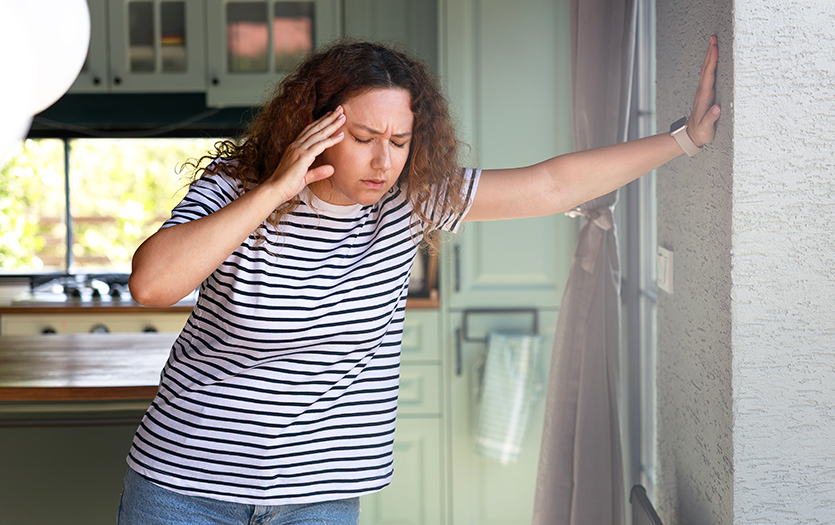
Some medications can make you feel dizzy, drowsy or lightheaded. Others can cause a sudden drop in blood pressure when you stand up. This is called orthostatic hypotension. These side effects can make it harder to keep your balance. The more medications you take—including prescriptions, over-the-counter drugs and supplements—the higher the risk. When you take many medications at once (polypharmacy), side effects like dizziness and drowsiness can add up, and the chance of drug interactions goes up, too. Research shows that the types of medication matter most, but the total number also plays a role.
Medications often linked to falls
Not every medicine causes balance problems. But these groups are more likely to have this side effect:
-
Zolpidem, diphenhydramine, doxylamine
-
These can cause drowsiness that lasts into the next day, making you unsteady on your feet.
-
-
Benzodiazepines like lorazepam and diazepam
-
These can cause sleepiness, confusion and poor balance.
-
-
Both older and newer types can cause dizziness, drowsiness or blood pressure drops when standing.
Pain medicines
-
Opioids like oxycodone, hydrocodone, tramadol
-
These can cause drowsiness and dizziness, especially when combined with other medicines that affect the brain.
-
Blood pressure medicines
-
Water pills (diuretics), alpha-blockers, beta-blockers
-
While important for heart health, these can sometimes lower blood pressure too much, especially when standing up quickly.
-
The risk is often highest when starting a new medicine or increasing a dose.
-
-
Diuretics deserve extra caution: besides lowering blood pressure, they make you need the restroom more often. Rushing to the bathroom in the middle of the night, in dim light and groggy, is one of the most common fall scenarios. This is one reason diuretics are usually best taken earlier in the day rather than at bedtime.
Seizure and nerve pain medicines
-
Gabapentin and pregabalin
-
These can cause dizziness and drowsiness. The risk goes up when taken with opioid pain medicines.
-
Allergy and cold medicines
-
-
Older antihistamines like diphenhydramine and doxylamine can cause strong drowsiness and dizziness.
-
These ingredients are also found in many “PM” versions of pain and cold medicines, such as nighttime pain relievers or cold-and-flu products. Many people do not realize the “PM” label usually means an antihistamine has been added.
-
Newer options like cetirizine or loratadine are less likely to cause drowsiness but can still affect some people.
-
Muscle relaxants
-
Cyclobenzaprine
-
These can cause drowsiness and unsteadiness.
-
What you can do to stay safe
Many people need these medicines for their health. Never stop a medicine on your own. If you are concerned, talk with your provider or pharmacist. There are often safer options or dose adjustments that can help.
-
Know your medications. Keep an updated list of everything you take, including over-the-counter drugs and supplements. Bring it to every doctor and pharmacy visit.
-
Stand up slowly. If you take blood pressure medicines, sit on the edge of the bed for a moment before standing. Give your body time to adjust.
-
Watch for new symptoms. Pay attention to any new dizziness, drowsiness or unsteadiness—especially after starting a new medicine or getting a dose change.
-
Ask about alternatives. Non-drowsy allergy medicines like loratadine or cetirizine are often better choices than diphenhydramine for older adults.
-
Stay active. Regular movement, like walking, light stretching or balance exercises, helps build strength and steadiness. Aim for 30 minutes most days.
-
Request a medication review. Your doctor or pharmacist can review all your medicines together to assess your fall risk. This is especially helpful if you take four or more medicines or have fallen before.
For more tips on preventing falls at home, including changes to lighting, footwear and living spaces, check out our previous blog Helping aging adults avoid falls at home.
When to seek help
Reach out to your care team if you notice:
-
A fall or stumble, even if you were not hurt
-
Dizziness or lightheadedness, especially when standing up
-
Daytime drowsiness that affects your daily activities
-
Balance changes after starting or changing a medicine
These may be signs that a medicine needs to be adjusted.
The bottom line
Falls from medications are common, but they can be prevented. Know which medicines to watch for, make small changes at home and keep your care team in the loop. Together, you can find a plan that keeps you safe while still treating your health conditions.
References
Best Practices Guidelines Geriatric Trauma Management. Alicia Mangram MD FACS, Jessica M. Berdeja MD, Christine S. Cocanour MD FACS FCCM, et al. American College of Surgeons (2023).
Risk Assessment and Prevention of Falls in Older Community-Dwelling Adults: A Review. Colón-Emeric CS, McDermott CL, Lee DS, Berry SD. JAMA. 2024;331(16):1397-1406. doi:10.1001/jama.2024.1416.
Preventing and Managing Falls in Adults With Cardiovascular Disease: A Scientific Statement From the American Heart Association. Denfeld QE, Turrise S, MacLaughlin EJ, et al. Circulation. Cardiovascular Quality and Outcomes. 2022;15(6):e000108. doi:10.1161/HCQ.0000000000000108.
Prevention of Falls in Community-Dwelling Older Adults. Ganz DA, Latham NK. The New England Journal of Medicine. 2020;382(8):734-743. doi:10.1056/NEJMcp1903252.
American Geriatrics Society Response to the World Falls Guidelines. Eckstrom E, Vincenzo JL, Casey CM, et al. Journal of the American Geriatrics Society. 2024;72(6):1669-1686. doi:10.1111/jgs.18734.
Management of Orthostatic Hypotension. Moloney D, Youssef A, Okamoto LE. JAMA Internal Medicine. 2026;:2847532. doi:10.1001/jamainternmed.2026.0284.